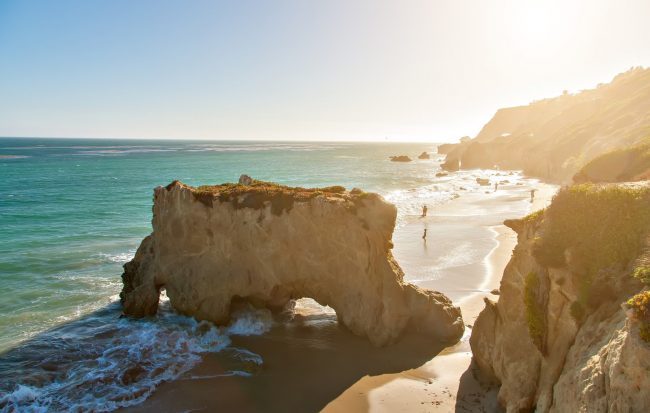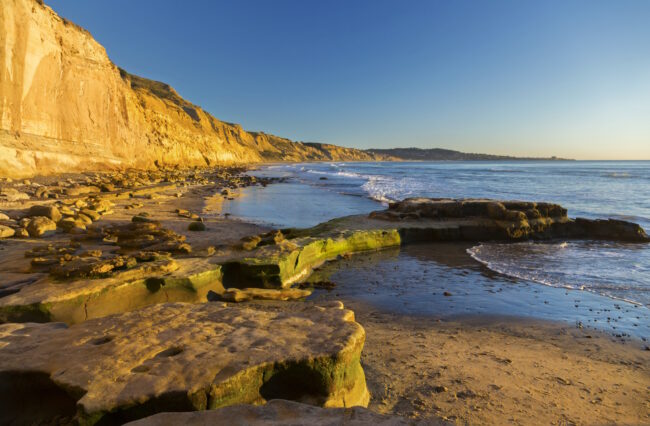
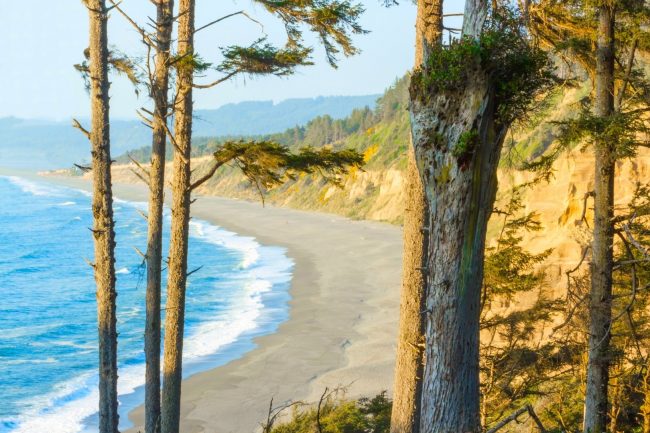
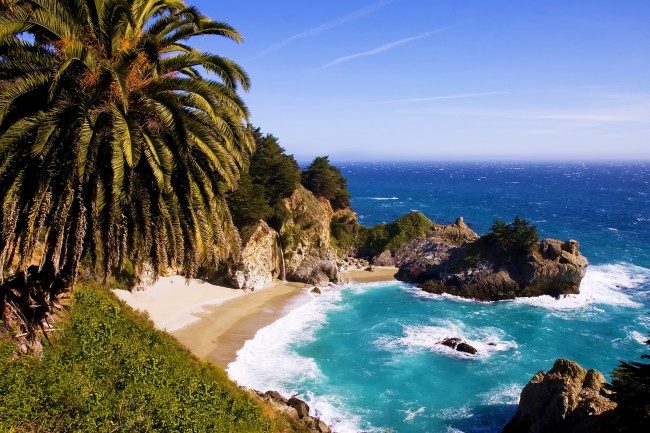
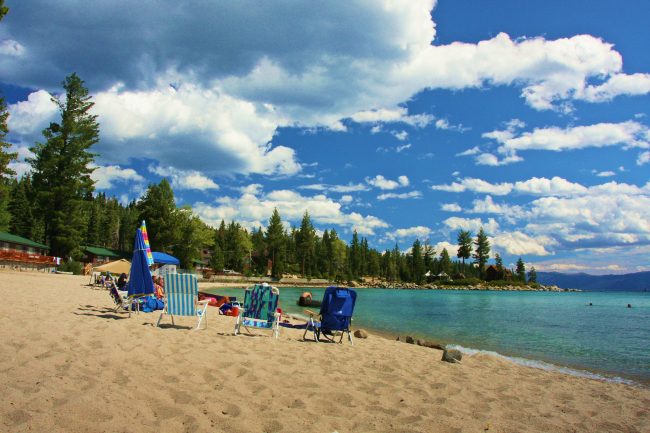
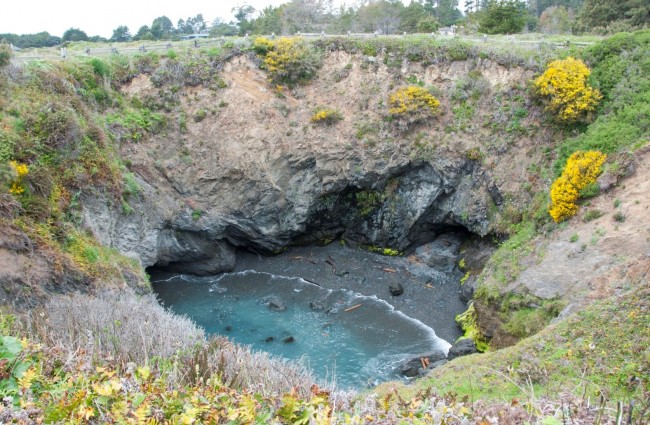
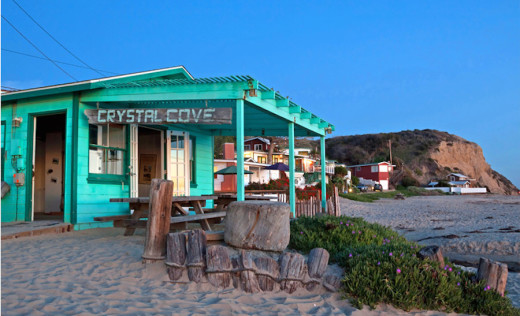
california beaches pictures

SAN LUIS OBISPO COUNTY

San Luis Obispo


1st Motel
Chinese History
Farmer's Market
Landmarks SLO County
Mission San Luis Obispo
Mission San Miguel
San Luis Obispo County Historical Museum
Shopping

Avila Beach
Avila Beach Aerial Photos
Avila Beach Resort Golf
Farmer's Market

Pirate's Cove
Port San Luis - San Luis Bay
Events
Avila Beach Blues Festival
Blues & Beers by the Bay


SAN LUIS OBISPO HOTELS
Apple Farm
2015 Monterey Street
Best Western Royal Oak Hotel
214 Madonna Road
Best Western Somerset Inn
1895 Monterey Street
Comfort Inn & Suites Lamplighter
1604 Monterey Street
Econo Lodge San Luis Obispo
950 Olive Street
Garden Street Inn
1212 GARDEN STREET
Holiday Inn Express San Luis Obispo, Ca
1800 Monterey St.
La Cuesta Motor Inn
2074 Monterrey St
Los Padres Inn
1575 Montery St
Quality Suites San Luis Obispo
1631 Monterey St.
Ramada Inn San Luis Obispo
1000 Olive st
Rose Garden Inn - San Luis Obispo
1585 Calle Joaquin
San Luis Obispo Days Inn
2050 Garfield Street
San Luis Obispo Downtown Travelodge
345 Marsh Street
San Luis Obispo Super 8 Motel
1951 Monterey St.
San Luis Obispo Travelodge
1825 Monterey Street
Sycamore Mineral Springs Resort
1215 Avila Beach Drive

Hotels Reviews
San Luis Bay Inn  
Apple Farm
Best Western Royal Oak Hotel
La Cuesta Inn
Lamp Lighter Inn & Suites


SAN LUIS OBISPO COUNTY
Arroyo Grande
Avila Beach  
Baywood Park
Cambria
Cayucos
Grover Beach
Halcyon
Harmony
Los Osos
Morro Bay
Nipomo
Oceano
Paso Robles
Piedras Blancas
Pirate's Cove
Pismo Beach
Port San Luis
Ragged Point
Shell Beach
San Simeon


Mission San Luis Obispo Photos, History and Information


Mission San Luis Obispo
 
 
Old Mission Parish 751 Palm St. San Luis Obispo CA, 93401 (805) 781-8220
missionsanluisobispo.org


California Mission Photos


Set along shaded streets and framed by beautiful mountain tops, Mission San Luis Obispo is  the fifth California mission founded by Father Junipero Serra on September 1, 1772. Located in the heart of the San Luis Obispo downtown shopping region, it enjoys a Mission Plaza where concerts and community programs are held. The mission serves the community as a working church with a diocesan parish ministered by priests who carry on the work that Fr. Serra began.

Named after Saint Louis, Bishop of Toulouse, France, the building was constructed from 1793-1794 with a front portico added in 1794. The building fell into disrepari and was completely restored in 1933.

In 1769, Fr Serra, a member of the Order of Franciscan Minors (O.F.M.), received orders from Spain to bring the Catholic faith to the Natives of Alta California. Mission San Diego was the first mission founded in Alta California that same year.

On September 7 - 8, 1769 Gaspar de Portola traveled through the San Luis Obispo area on his way to rediscover the Bay of Monterey. The expedition’s diarist, Padre Juan Crespi, O.F.M., recorded the name given to this area by the soldiers as llano de los Osos, or the level of the bears (Bear Plain) as this was an area with an abundance of bears. Since then, various translations of the Crespi Diary have called this area La Canada de Los Osos (The Canyon of the Bears) which has been further mistranslated as the Valley of the Bears.

In 1770, Fr. Serra founded the second mission, San Carlos Borremeo, in Monterey which was moved to Carmel the following year. As supplies dwindled in 1772 at the then four missions, the people faced starvation. Remembering the Valley of the Bears, a hunting expedition was sent to bring back food in the summer of 1772. Over 25 mule loads of dried bear meat and seed was sent north to relieve the missionaries, soldiers, and neophytes (baptized Natives). The Natives were impressed at the ease by which the Spaniards could take down the huge grizzles with their weapons. Some of the meat was traded with the local people in exchange for edible seed. It was after this that Fr. Serra decided that La Canada de Los Osos would be an ideal place for the fifth mission. The area had abundant supplies of food and water, the climate was also very mild, and the local Chumash were very friendly.


With soldiers, muleteers, and pack animals carrying mission supplies, Fr. Serra set out on a journey to reach the Valley of the Bears. On September 1, 1772, Fr. Serra celebrated the first Mass with a cross erected near San Luis Creek. The very next day, he departed for San Diego leaving Fr. Jose Cavaller, O.F.M., with the difficult task of building the mission. Fr. Cavaller, five solders and two neophytes began building what is today called Mission San Luis, Obispo de Tolosa.
 

After Fr. Serra left, the difficult task of actually building the mission remained. This was accomplished with the aid of the local Chumash Natives. Palisades were set up as temporary buildings, which were made simply from poles and tree boughs. However, due to fires in the first few years, adobe and tile structures were erected. The Church and Priest's residence, the convento wing, were built by 1794. Many other structures made up the Mission in the early days: storerooms, residences for single women, soldiers barracks, and mills. The mission also had land for farming and raising livestock. The whole community of priests, Natives and soldiers needed to produce goods for their own livelihood.

After 1818, the Mission's prosperity began to decline and by the 1840's there was little left of the thriving community of earlier times. The buildings were crumbling and there were not sufficient funds to rebuild. In an "informe" (report to the Government written in 1830) Fr. Gil stated: "The hospital and portions of neophyte villages are in ruins and the rest of the village threatens to fall into ruins... the front of the Mission Church has to be taken down, because it threatened to tumble over". In his 1832 “informe” he was even more dismal: "Every day the Mission structures are decaying more and more for want of sufficient hands to renovate them... the belfry mentioned last year has been demolished by rains therefore we built another of masonry."

Soon after Mexico won her independence from Spain (1821), the Missions were secularized by the Mexican Government. This meant that the priests no longer managed the Missions. Often Mission lands were sold off. Governor Pio Pico sold the San Luis Obispo Mission to Capt. John Wilson for $510 in 1845. During this time, buildings were appropriated for any use deemed necessary by the civil authorities. The Mission convento wing housed a school as well as a jail and first county courthouse.

The Name behind the Mission “San Luis Obispo de Tolosa”
The patron saint of this mission is Saint Louis, Bishop of Toulouse, France. Louis, born in 1274, the second son of King Charles of Naples. After being defeated in a war with Spain, Louis and his brother were sent, as hostages, to Spain for the release of their father. The brothers spent seven years in Spain, being instructed by Franciscan friars. Having absorbed the training, Louis decided to join the Order. After his release, he renounced his claim to the crown of Naples, joined the Order of Friars Minor, and was consecrated Bishop of Toulouse. Due to poverty and disease in the city, he fell ill and passed away at the young age of 23. He has always been very dear to the Franciscan Friars.


1772 Mission founded by Father Junipero Serra, accompanied by Padre Jose Cavaller and Captain Pedro Fages on September 1st, 1772.
1778 Fr. Serra receives permission to confirm from the Pope. He confirms 265 persons at Mission San Luis Obispo.
1783 Beginning of official informes, which include spiritual and agricultural reports.
1784 Fr. Serra dies; Fermin de Lasuen, O.F.M., replaces him as Padre Presidente.
1789 Fr. Cavaller dies and is buried in the Mission floor in front of the sanctuary.
1793 Present Mission Church completed.
1800 Building under Martinez: Permanent dwellings for families, a granary, weaving room, and 6 adobe houses.
1810 Beginning of Mexican War for independence against Spain.
1812 Mission renovation: re-plastering, paving.
1820 Mission bells arrive from Lima, Peru cast by Manuel Vargas.
1821 Mexico wins independence from Spain.
1824 Natives at Missions Santa Barbara, Santa Ines, and La Purisima revolt against civil authority.
1824 Mexican Congress decrees that all Californians must sign oath of allegiance to Mexico.
1827 Mexican Congress decrees that all Spaniards under 60 years old shall be expelled.
1830 Mexican Governor Echeandia arrests Fr. Martinez on a trumped up charge of treason, and exiles him outside of Mexican territories.
1830 Earthquake.
1830 Fr. Luis Gil y Taboada, O.F.M., assigned to take over the Mission. He died in 1833 and was buried in the floor before the sanctuary.
1834 Mexican Congress approves Secularization Act: All Mission lands become property of Mexico and subject to disposition.
1835 Inventory and formal possession of Mission buildings by Mexican Government.
1842 Fr. Ramon Abella, O.F.M., dies; last Franciscan at the Mission.
1845 "Governor" Pio Pico sells remaining Mission lands including church and Laguna Rancho sold to Captain John Wilson and partners Scott and McKinley.
1846 Commodore Sloat raises U.S. flag over Monterey, War with Mexico begins, Pio Pico is deposed and his grants are suspended.
1847 Governor Kearney issues a proclamation protecting religious institutions.
1848 Treaty of Guadalupe Hidalgo signed ending the Mexican-American War.
1855 Bishop Alemany's claim to Mission lands upheld by U.S. Land Commission.
1856 San Luis Obispo incorporates as a town.
1861 Stagecoach runs between San Francisco and Los Angeles.
1876 San Luis Obispo re-incorporates as a "city".
1893 Fr. Valentin Aguilere decides to enlarge Church, builds annex to the right of the sanctuary.
1894 San Luis Obispo reached by railroad, Southern Pacific builds Ramona Hotel.
1901 California State Polytechnic College established.
1933 Restoration of the Mission (back to Spanish style) begun by Fr. Harnett.

Source: Mission San Luis Obispo


California Beaches | Beach Cities | Alphabetical List | Hotel Search | Beach Photos  | California Events | Contact Us | Site Map | Privacy | BeachCalifornia.com content and photos Copyright | Beach Travel Planning Resources: California Shopping | California Dining | California Casinos | California Vacations | California Coast Vacations | California Kids Vacations | California Beach Hotels | California Beach Vacations | California Theme Parks | Disneyland Vacations | Surfing Vacation | Southern California Vacation  | California Weekend Getaway | California Spa Vacation | California HotelsOrange County California Hotels | California Family Vacations | California Resorts | California Beach Resorts